 DE
DE  EN
EN FR
FR

Tiana
+86-13143789995
10 % Punkterückerstattung bei benutzerdefinierten Druckaufträgen. Jetzt aktivieren
Brauchen Sie Hilfe? Sprechen Sie noch heute mit einem Druckexperten. Händlersuche

Luxury Packaging Unboxing Experience: A Design Guide
A Practical Guide to Premium Packaging Unboxing
A successful unboxing experience is not simply about adding more layers or decorative materials. It is about making the product easy to open, secure in transit and consistent with the brand's positioning. For packaging buyers, the best results come from coordinating structure, materials, product protection and visual presentation before production begins.
A well-designed package guides the recipient from the outer packaging to the product itself. Each element should have a clear purpose, whether that purpose is protection, presentation, information or convenience.
The right combination depends on the product, sales channel, budget and target customer. A retail gift box may prioritize display and presentation, while an e-commerce shipment must also withstand handling during transportation.
Plan the opening sequence before selecting decorative elements. A typical premium package may contain several functional layers.
Protect the retail packaging from compression, abrasion and movement during transit. The outer carton must be appropriate for the shipment and distribution conditions.
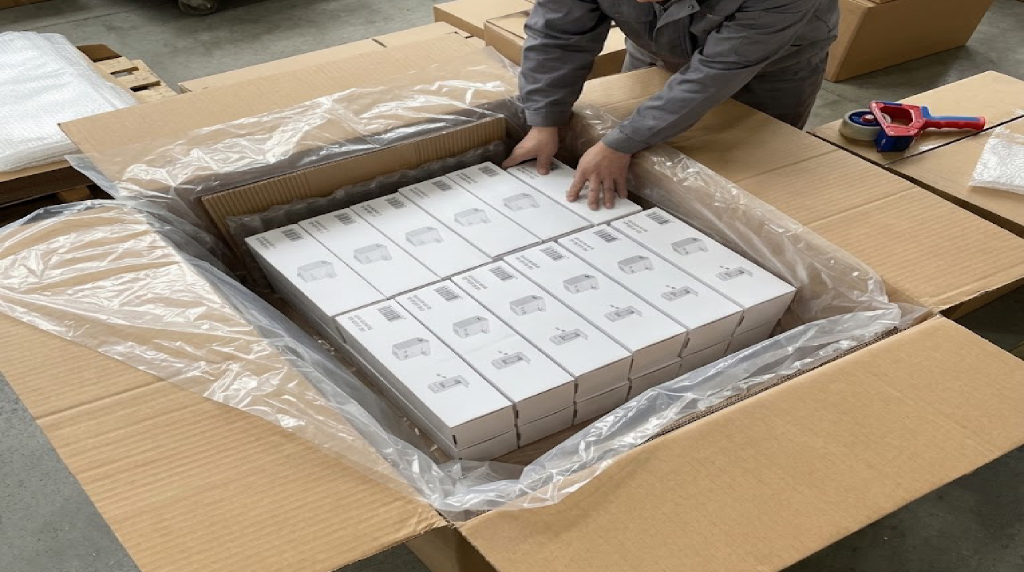
Use the logo, color palette, material and surface finish to establish the brand identity without unnecessary visual clutter.
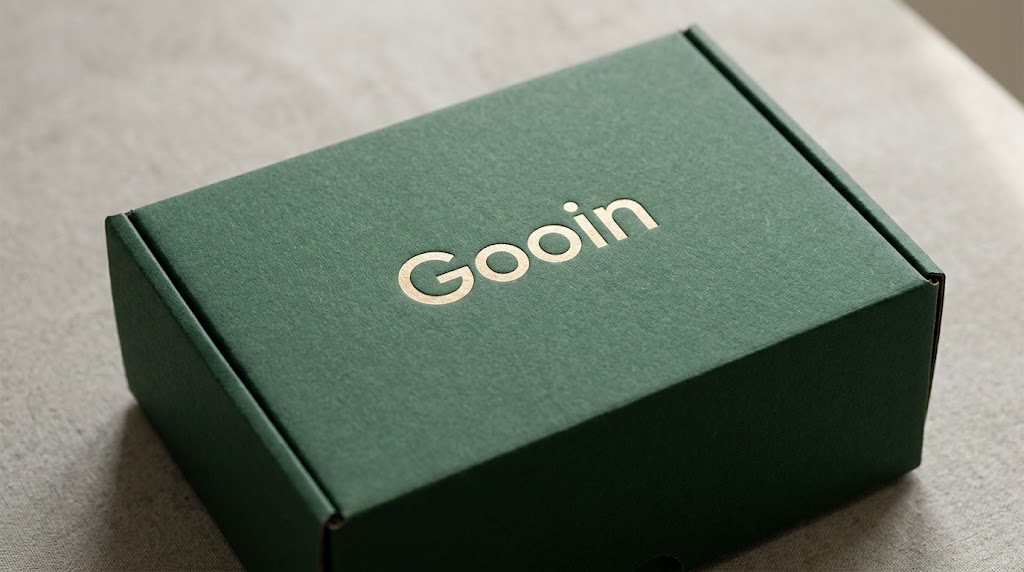
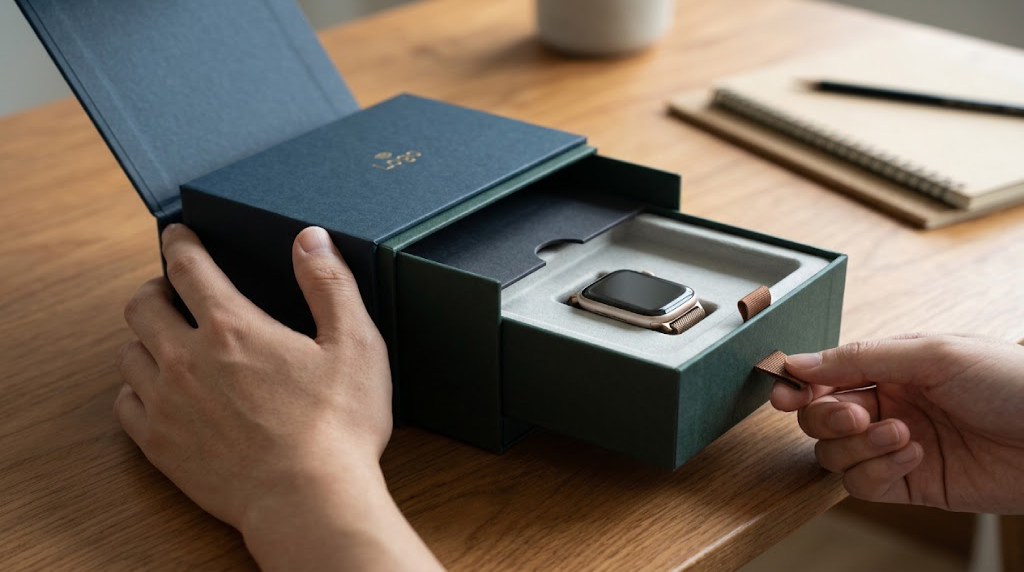
The lid, drawer, sleeve or magnetic closure should open smoothly. The product should be easy to access without excessive force or complicated handling.
A correctly fitted insert, tissue paper or carefully positioned accessory can improve presentation while helping to control product movement.
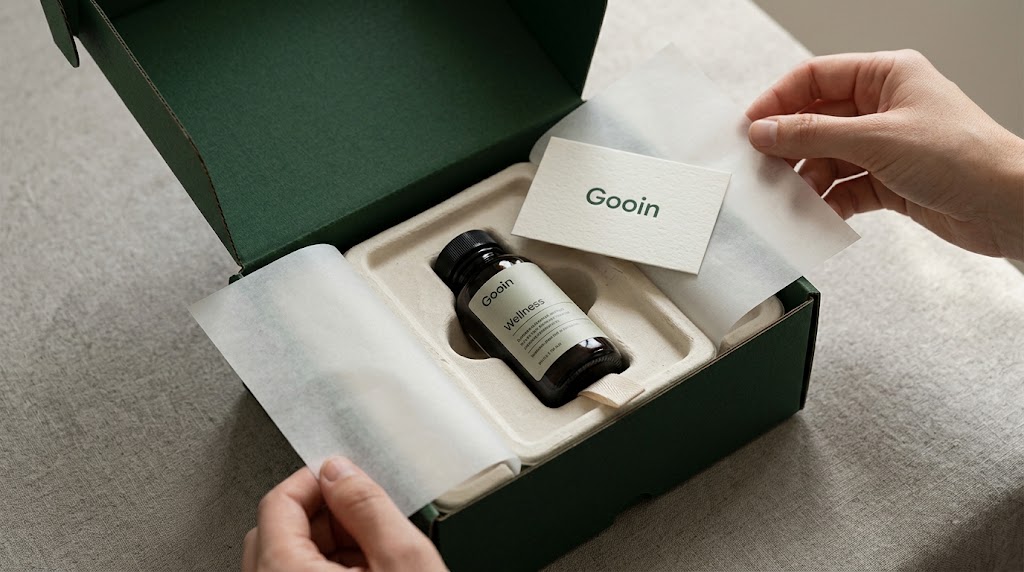
An insert card, care instructions, product information or QR code can provide a useful next step after the product is revealed.
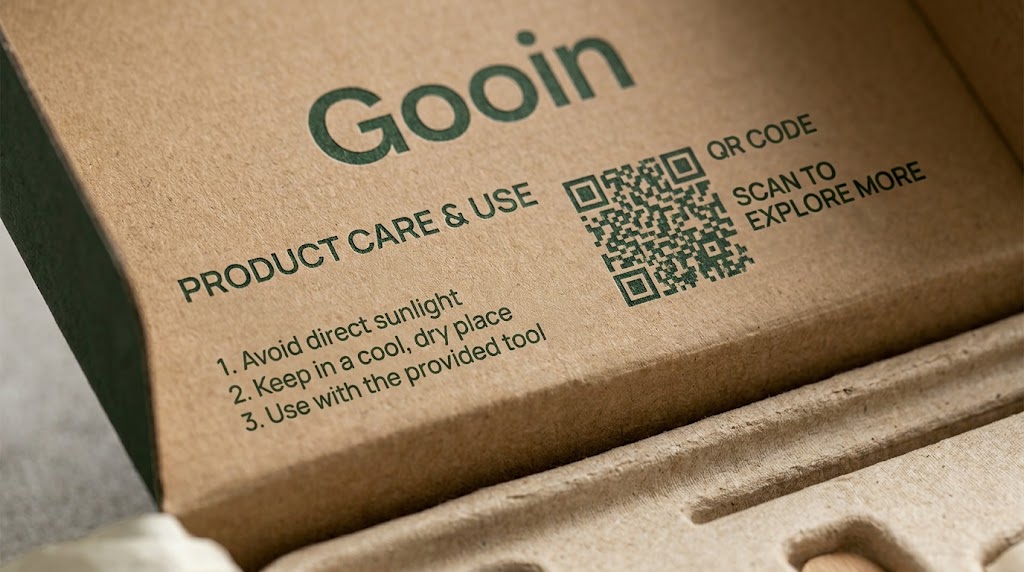
Not every package needs all five layers. Remove elements that add cost or waste without improving protection, presentation or customer use.
Structure determines how a package opens, how the product is supported and how much material and assembly it requires. Choose it according to product weight, fragility, dimensions, retail positioning and budget.
| Structure | Typical application | Design considerations |
|---|---|---|
| Book-style rigid box | Premium fragrance, cosmetics and gift sets | Lid alignment, closure performance and insert fit |
| Drawer box | Small gifts, accessories and selected beauty products | Drawer clearance, friction and ribbon or pull-tab placement |
| Shoulder or neck box | Presentation-focused premium products | Fit tolerance, lid alignment and material thickness |
| Folding carton | Retail packaging and cost-conscious product ranges | Board grade, folding accuracy and transport protection |
Explore how to choose the right perfume box structure for a more detailed comparison of packaging formats.
The insert should hold the product securely while presenting it in the intended position. Material selection depends on the product's shape, weight, fragility, surface sensitivity, required appearance and packaging budget.
Before approving the design, verify product fit, insertion and removal, movement during handling, surface contact and any potential scratching or abrasion. For products shipped directly to customers, evaluate the complete package rather than the inner box alone.
Premium packaging does not require every available finish. Choose a small number of coordinated treatments that complement the brand identity and remain practical for production.
Useful for a subdued, tactile presentation. Confirm resistance to scuffing, fingerprints and visible handling marks on the chosen material.
Can emphasize a logo or selected graphic detail. Review foil color, line thickness, registration and adhesion on the production-representative sample.
Add tactile dimension to selected areas. Fine details and complex artwork should be checked against the material and finishing limitations.
Use these elements to guide the opening sequence or provide useful product information. Avoid extra layers that create waste without a clear purpose.
The total cost of an unboxing design includes materials, printing, finishing, assembly, protective packaging, shipping volume and potential damage. A visually impressive package may not be the best solution if it is unnecessarily heavy, difficult to assemble or expensive to ship.
Review the design against four practical questions:
Recyclability depends on the complete material combination and local recycling systems. Coatings, laminations, adhesives, magnets, foam and mixed-material components should be evaluated rather than assuming that the entire package is recyclable.
Use this checklist when briefing your packaging manufacturer.
No. A rigid box may suit luxury gift sets, while a folding carton or other format may be more appropriate for a different product, sales channel or budget. The structure should follow the product's protection and presentation requirements.
Start with a well-fitted structure, clear visual hierarchy and a smooth opening sequence. Coordinated finishes and a useful insert card can add detail without requiring excessive packaging layers.
Yes. Review a representative sample for dimensions, closure performance, product fit, finish quality and intended handling conditions. Shipping-sensitive products may also require testing of the complete shipping configuration.
Yes, when the paper grade, construction, print quality, surface finish and structural details are selected appropriately. The result depends on the complete specification rather than any single material or finish.
GooinPack supports custom packaging projects from structural development and sampling through printing, finishing, assembly and quality inspection. Share your product dimensions, target quantity, reference images and intended customer experience to discuss a suitable packaging solution.
Turn Your Packaging Concept Into a Production Plan
Explore custom perfume boxes, rigid gift boxes and coordinated paper bags for your brand.
Contact GooinPack


Blog Sitemap Xml Datenschutzrichtlinie
Copyright
© 2026 GuangZhou GooinPack Packaging Co., Ltd. Alle Rechte vorbehalten
.  NETZWERK UNTERSTÜTZT
Freundliche Links : Blogger
Eine Nachricht hinterlassen
Scannen zu WhatsApp :


